Our website has detected that you are using an outdated browser that will prevent you from accessing certain features. An upgrade is recommended to improve you browsing experience.



 3
3

15 December 2025
Earlier this year, Stats SA announced that it would use an updated questionnaire for its QLFS in the third quarter of 2025.
The QLFS provides labour market-related data, such as the official unemployment rate, which was 31.9% in the third quarter.
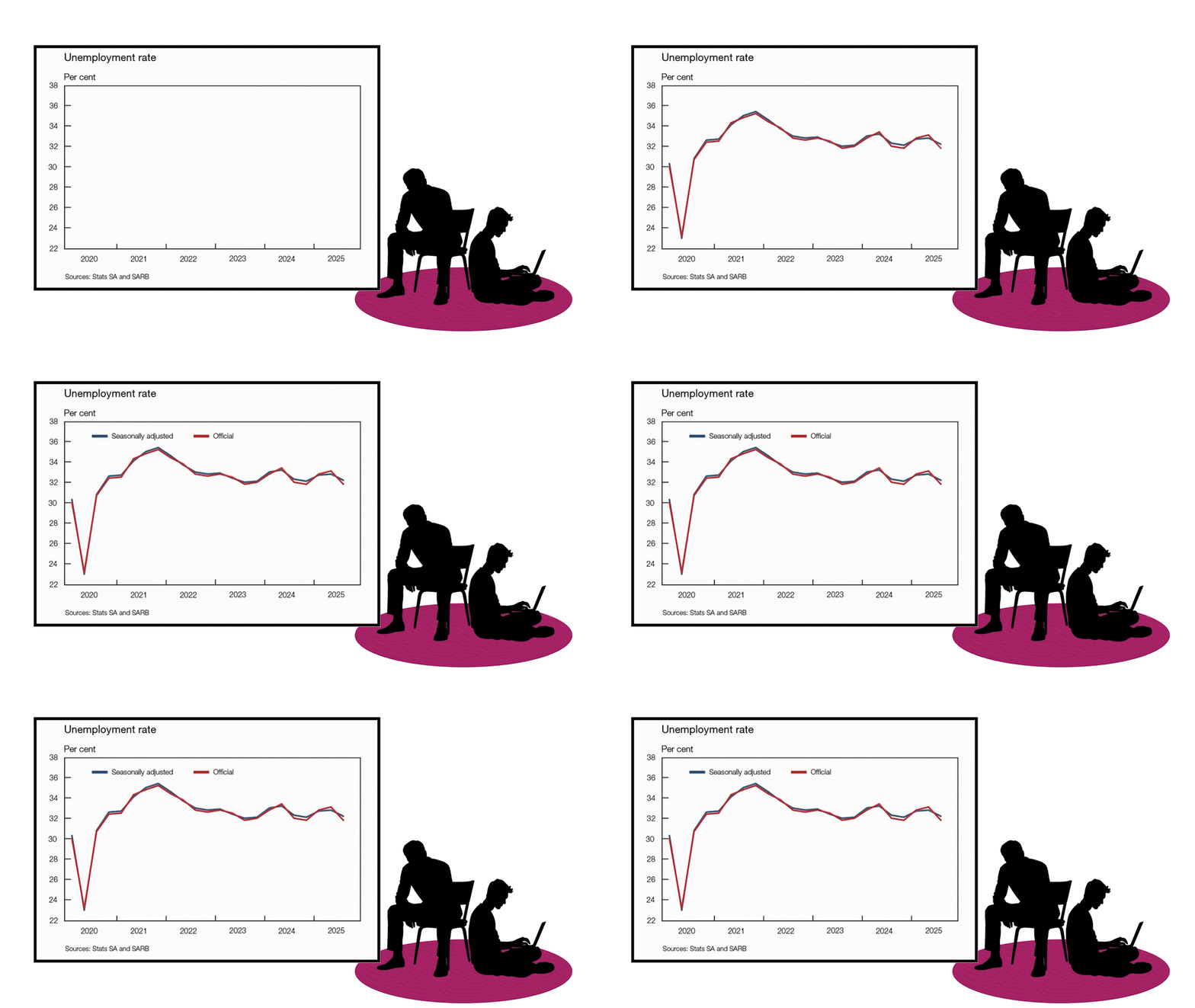
The new changes introduce extra measures to supplement the unemployment rate, including time-related underemployment and the potential labour force.
These indicators show when there are not enough jobs for everyone who wants to work or when people’s work needs are not being met.
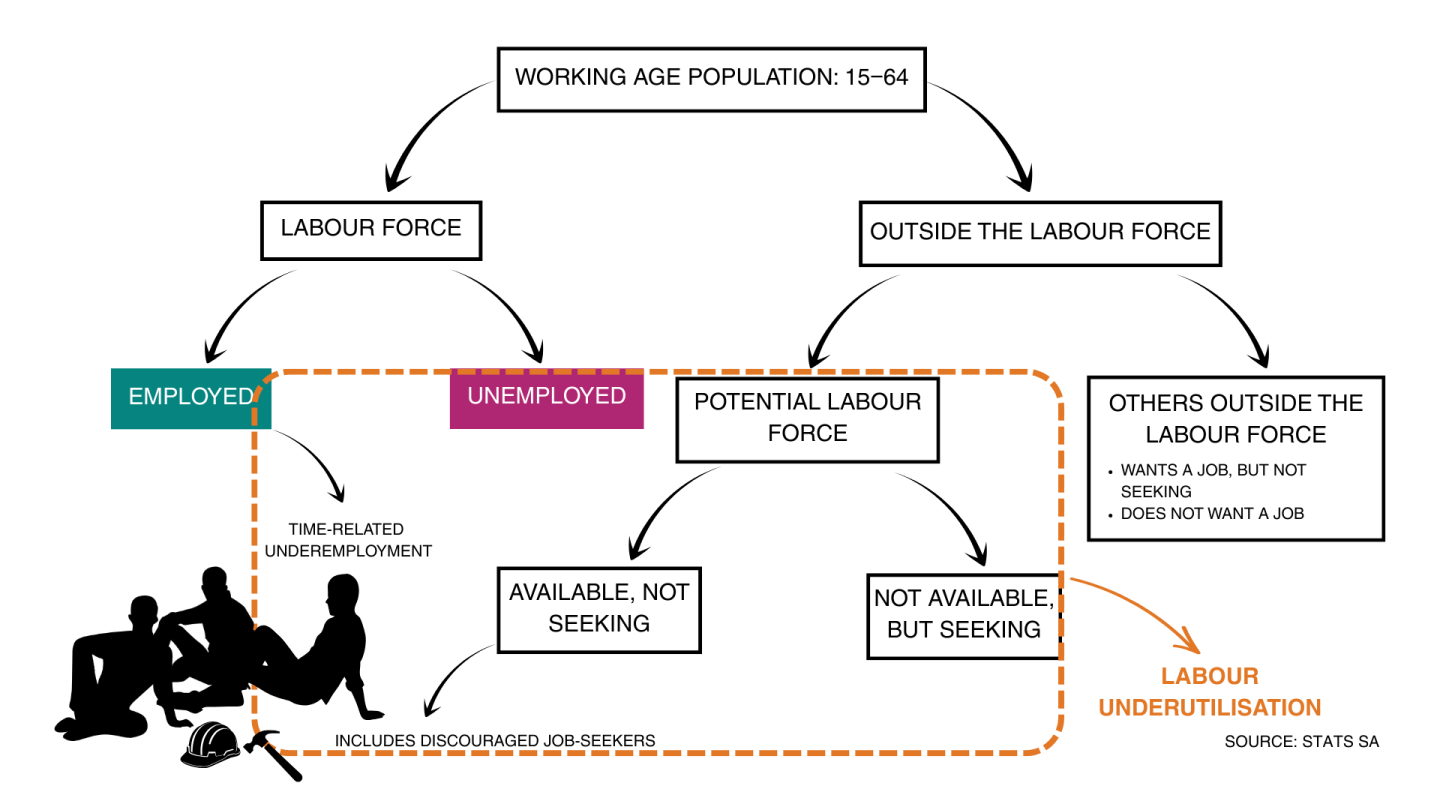
Time-related underemployment refers to situations when a person is willing to work more hours than they currently do.
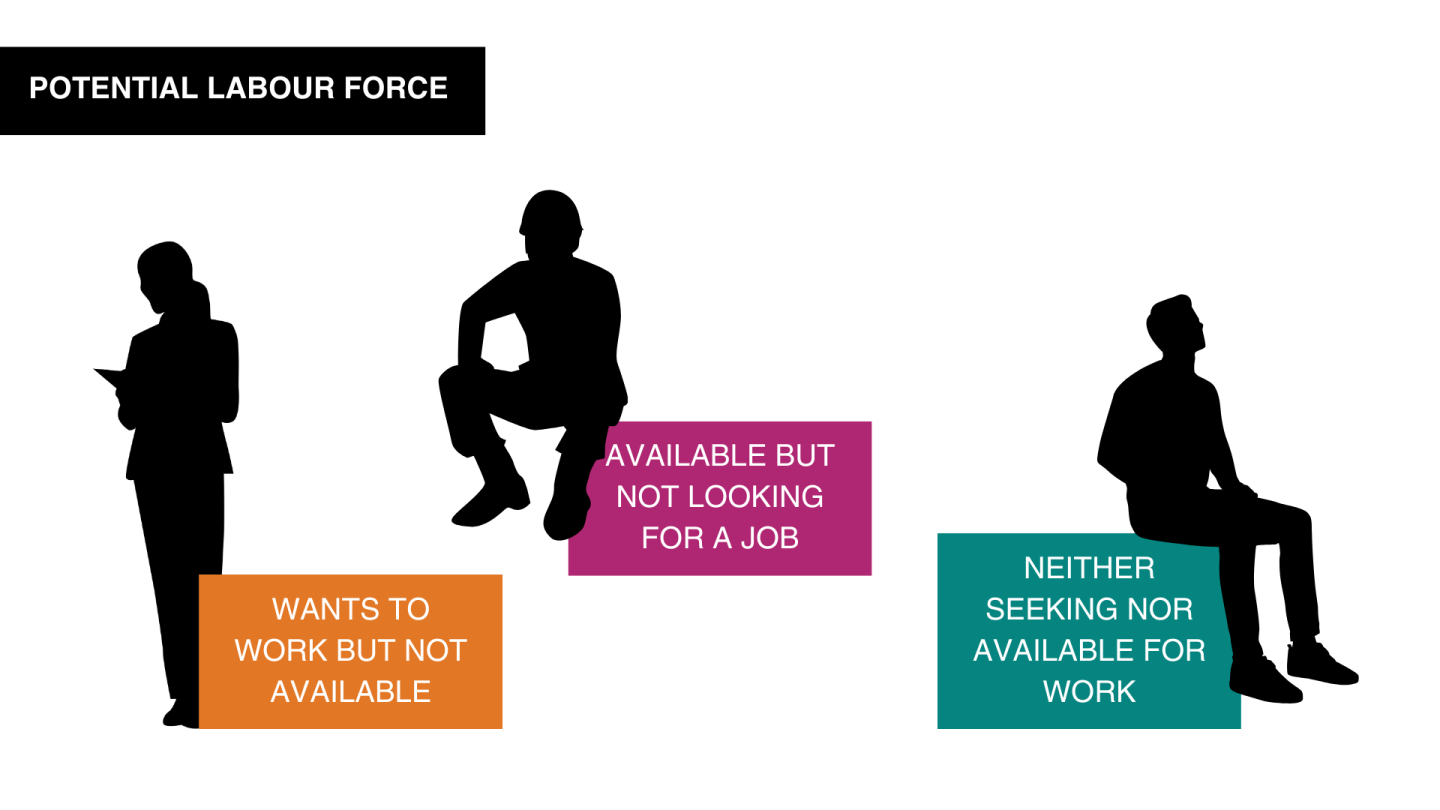
The potential labour force includes people who:
The survey now includes stronger definitions of formal and informal work.
For example, the definition of “formal” now depends on whether employers contribute to social insurance and offer paid leave.
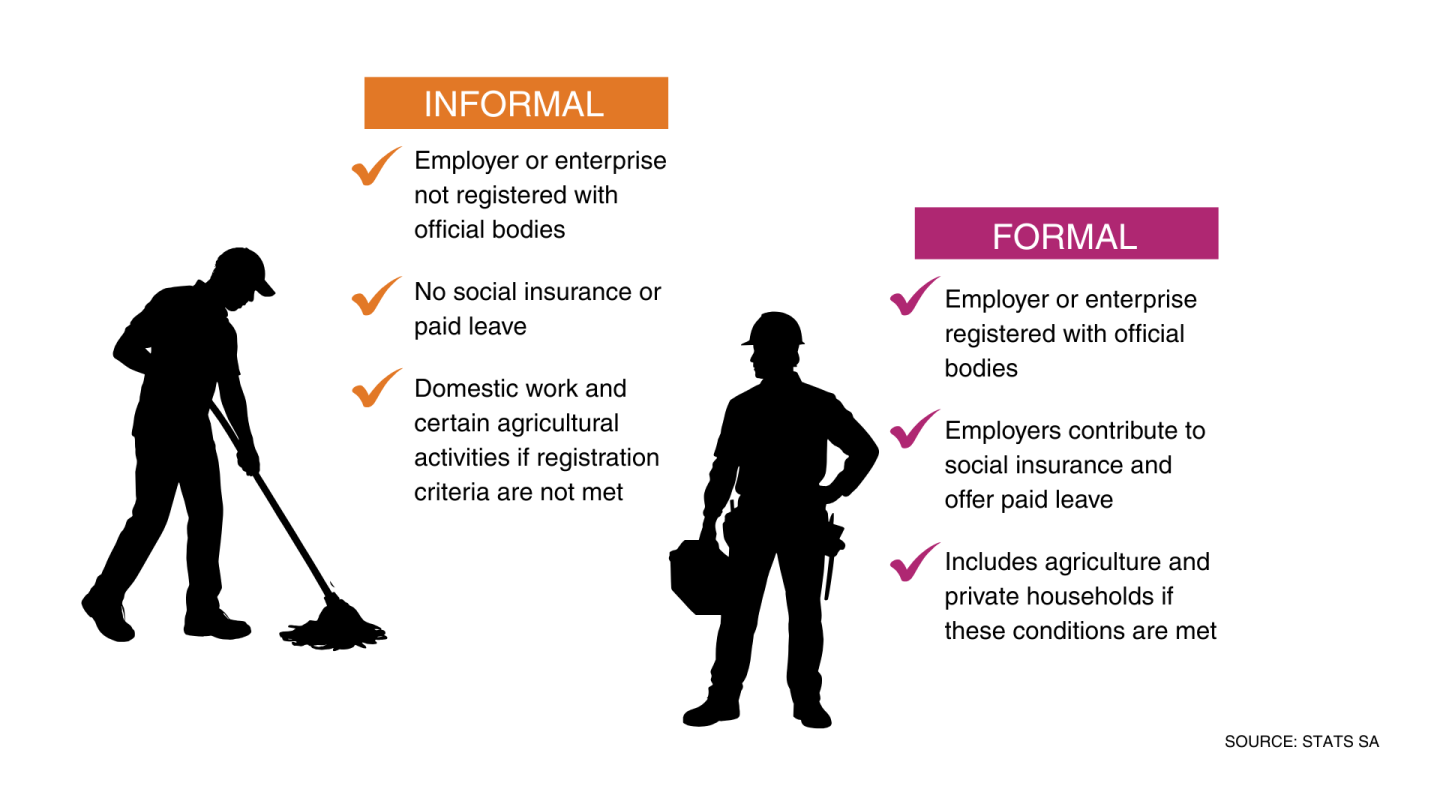
Agriculture is now included in both the formal and informal sectors, instead of being a separate category.
According to the most recent QLFS, formal sector employment increased by 515 000 (4.5%), while informal sector employment rose sharply by 635 000 (19.1%) ‒ largely due to the inclusion of 920 000 persons employed in the agriculture industry within these sectors as from the third quarter of 2025.

The changes ensure more types of employment are represented in the labour statistics.
This broader and more detailed data helps policymakers create targeted solutions that address the drivers of unemployment.